Navigating the Digital Canvas: How Artists Can Thrive on Social Media Without Losing Authenticity
Artists today face a unique challenge: how to share their work widely without compromising their creative identity. Social media offers powerful tools to reach audiences, but many wonder if "real" artists should even use these platforms. This post explores how artists can use social media effectively, maintain authenticity, and build meaningful connections with galleries, collectors, and fans.

Do Real Artists Use Social Media?
The idea that "real" artists avoid social media is outdated. Many respected artists use platforms to share their process, connect with peers, and find new opportunities. Social media is a tool, not a measure of artistic value. What matters is how artists use it.
Artists who succeed online focus on sharing authentic stories and work rather than chasing trends. Social media can amplify their voice without diluting their identity when used thoughtfully.
How Artists Can Use Different Platforms
Each social media platform offers unique ways to showcase art and engage audiences. Here’s how artists can approach the most popular ones:
YouTube
Share time-lapse videos of your creative process.
Post tutorials or behind-the-scenes content to build trust and authority.
Use playlists to organize your work by theme or medium.
Engage with viewers through comments and live streams.
YouTube’s long-form video format allows artists to tell stories and build a loyal community.
Create a professional artist page separate from personal profiles.
Use Facebook Events to promote gallery shows or online exhibitions.
Join art-related groups to network and share advice.
Post regular updates with images, videos, and links to your website or shop.
Facebook’s broad user base helps artists reach diverse audiences, including older collectors.
Focus on high-quality images of your artwork.
Use Stories and Reels to share quick updates and process clips.
Engage with followers through comments and direct messages.
Use relevant hashtags to increase visibility but avoid overloading posts.
Instagram’s visual nature makes it ideal for artists to showcase their portfolio and personality.
TikTok
Create short, engaging videos showing your art process or inspiration.
Use trending sounds and challenges thoughtfully to reach new audiences.
Share quick tips or funny moments related to your art practice.
Collaborate with other creators to expand your reach.
TikTok’s fast-paced environment rewards creativity and authenticity.
Snapchat
Share daily moments from your studio or art life.
Use filters and stickers to add personality.
Connect with close followers through private stories.
Snapchat works well for informal, behind-the-scenes content that builds personal connections.
What Artists Should Avoid on Social Media
Overposting or flooding followers with too much content.
Chasing every trend at the expense of your style.
Sharing unfinished or low-quality work that doesn’t represent your best.
Engaging in online arguments or negative interactions.
Ignoring your audience or failing to respond to comments and messages.
Maintaining balance and professionalism helps artists build respect and lasting relationships online.
Maintaining Artistic Identity and Avoiding the "Internet Artist" Label
The term "internet artist" sometimes carries a negative connotation, implying work made solely for online attention. Artists can avoid this by:
Staying true to their creative vision regardless of platform trends.
Sharing work that reflects their values and artistic goals.
Using social media as a tool, not the main focus of their practice.
Showing the depth behind their work, including inspirations and challenges.
This approach helps artists be seen as serious creators, not just content producers.
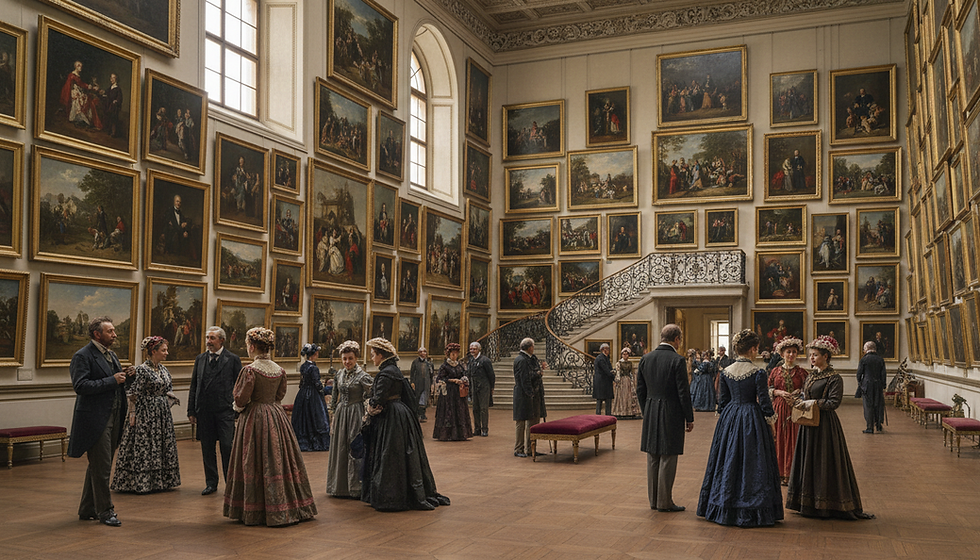
Social Media and Traditional Art Spaces
Social media can complement traditional galleries and museums rather than replace them. Many institutions scout talent online and use social media to promote exhibitions.
Artists can:
Tag galleries and museums in posts to get noticed.
Share professional images of their work suitable for print and online.
Use social media to invite followers to physical shows.
Build a portfolio that appeals to both online audiences and traditional art buyers.
This dual presence strengthens an artist’s career and expands opportunities.
Tips to Attract Galleries and Collectors Through Social Media
Present a consistent and professional online portfolio.
Share stories behind your work to create emotional connections.
Post testimonials or reviews from previous buyers or exhibitions.
Network with art professionals by commenting on their posts and attending virtual events.
Use clear contact information and links to your website or shop.
Building trust and visibility online can lead to gallery representation and sales.
Safety Concerns and Protecting Artwork
Artists should be cautious about sharing high-resolution images that can be copied. To protect work:
Use watermarks subtly on images.
Share lower-resolution photos online.
Verify inquiries by asking for references or using trusted platforms.
Avoid sharing personal information publicly.
Keep records of your work and sales for legal protection.
Being proactive helps artists safeguard their creations and reputation.
Social media offers artists a powerful way to connect with audiences, galleries, and collectors while sharing their creative journey. When used thoughtfully, it supports artistic growth without compromising authenticity. Artists who balance online presence with their core values can thrive in both digital and traditional art worlds.
Start by choosing platforms that fit your style and goals. Share your work honestly, engage with your community, and protect your art. Social media is a tool that, when used well, opens doors to new opportunities and meaningful connections.


Comments