Understanding Art Series: The Fusion of Intent and Serendipity in the Creative Process
Art series hold a unique place in the creative world. They reveal how artists explore ideas, themes, or techniques over multiple works, offering deeper insight than a single piece might. But what exactly defines an art series? How do planned series differ from accidental ones? This post unpacks these questions, examining the creative journeys behind art series, the planning involved, and how unexpected collections come to life. Along the way, we’ll highlight notable artists and explore how these series reach audiences and collectors.

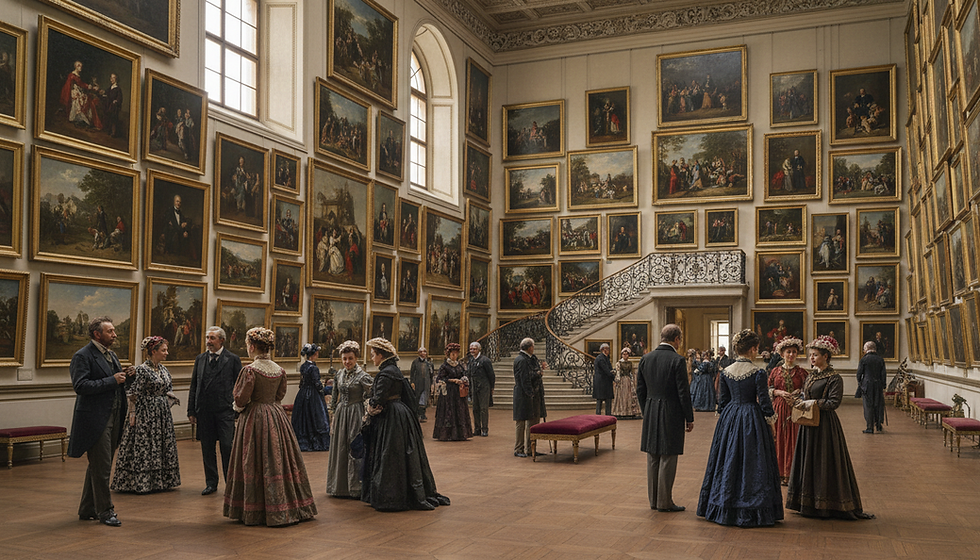
Gallery display of a planned art series with recurring abstract motifs
What Defines an Art Series?
An art series is a group of artworks connected by a common theme, style, subject, or concept. Unlike standalone pieces, series invite viewers to engage with a broader narrative or explore variations on an idea. Artists use series to push boundaries, experiment with form, or communicate complex messages that unfold over multiple works.
Series can span any medium—paintings, sculptures, photographs, prints, or mixed media. The connection between pieces might be obvious, such as a shared subject or color palette, or more subtle, like an evolving technique or emotional tone.
Planned Art Series Versus Accidental Series
Artists approach series in two main ways: with deliberate planning or through accidental discovery.
Planned Series
Planned series start with a clear intention. The artist sets out to create multiple works linked by a concept or visual thread. This approach often involves:
Research and Concept Development: Artists explore ideas, historical context, or personal themes before beginning.
Sketches and Studies: Preliminary work helps refine the direction.
Consistent Techniques and Materials: Using similar tools or styles to unify the series.
A Timeline or Sequence: Some series follow a narrative or chronological order.
Famous examples include Claude Monet’s Water Lilies, where he painted the same pond under different light and seasons, and Andy Warhol’s Campbell’s Soup Cans, which repeated a commercial image to comment on consumer culture.
Accidental Series
Accidental series emerge without initial planning. Artists may notice patterns or connections after creating multiple works independently. These series often reflect:
Organic Discovery: Themes or styles surface naturally over time.
Retrospective Grouping: Artists or curators identify links between pieces created separately.
Exploration of New Directions: Sometimes a shift in technique or subject leads to a cohesive body of work unintentionally.
For example, Jean-Michel Basquiat’s early works were not conceived as a series but later grouped due to recurring motifs and themes. Similarly, photographers might find a series in images taken during unrelated trips once they recognize a shared mood or subject.
The Creative Process Behind Art Series
Creating a series involves a blend of inspiration, experimentation, and discipline. For planned series, artists often:
Define a Central Idea: This anchors the series and guides decisions.
Develop a Visual Language: Consistency in color, form, or composition helps unify the works.
Iterate and Refine: Artists revisit themes, adjusting details to deepen meaning.
Balance Variety and Unity: Each piece should stand alone but also contribute to the whole.
In accidental series, the process is less linear. Artists might:
Follow Intuition: Creating without a fixed plan allows unexpected connections.
Reflect on Past Work: Reviewing previous pieces can reveal emerging themes.
Embrace Serendipity: Chance discoveries or mistakes become part of the series’ identity.
Both approaches require openness to change and a willingness to explore ideas deeply.
Planning Involved for Artists Creating a Series
Planning a series demands more than just producing multiple artworks. Artists consider:
Conceptual Framework: What story or message will the series convey?
Materials and Techniques: Will the same media be used throughout?
Scale and Format: Consistency in size or presentation can strengthen cohesion.
Timeline and Workflow: Scheduling production to maintain momentum and quality.
Exhibition and Presentation: How will the series be displayed to maximize impact?
For example, Louise Bourgeois planned her Cells series carefully, creating sculptural environments that explored memory and emotion. Each piece was designed to interact with others, forming a larger experience.
The Nature of Accidental Series and the Work Behind Them
Accidental series might seem spontaneous, but they still require effort to shape and present:
Identifying Connections: Artists or curators analyze works to find common threads.
Curating the Series: Selecting pieces that best represent the emerging theme.
Contextualizing: Providing background or interpretation to help audiences understand the links.
Refining Presentation: Adjusting display or format to highlight unity.
This process can transform a collection of unrelated works into a meaningful series, revealing new dimensions of the artist’s practice.
Famous Artists Known for Planned and Accidental Series
Planned Series:
- Claude Monet with his multiple Water Lilies paintings.
- Andy Warhol and his repetition of pop culture icons.
- Yayoi Kusama and her immersive polka dot and infinity room series.
Accidental Series:
- Jean-Michel Basquiat whose early graffiti-inspired works formed a thematic series post-creation.
- Vivian Maier, whose street photographs were grouped into series after her death.
- Cy Twombly, whose scribbles and marks evolved into series recognized later.
These artists show how both approaches can produce powerful bodies of work that resonate with audiences.
How Art Series Are Marketed and Sold
Art series offer unique opportunities and challenges in the market:
Collectors’ Appeal: Series allow collectors to acquire multiple related works, often increasing value.
Gallery Exhibitions: Presenting a series together creates a stronger narrative and attracts visitors.
Limited Editions: In prints or sculptures, series can be limited to enhance exclusivity.
Storytelling: Marketing focuses on the concept behind the series to engage buyers emotionally.
Online Platforms: Digital galleries and social media help artists showcase series cohesively.
For example, galleries often promote Monet’s Water Lilies as a set to emphasize the artist’s exploration of light and nature, while contemporary artists might release series in timed drops to build anticipation.
Artists who create series, whether planned or accidental, reveal the depth of their vision through multiple works. Planned series demonstrate intentional exploration and control, while accidental series highlight discovery and reinterpretation. Both paths enrich the art world by offering layered experiences that invite viewers to look closer and think deeper.
If you are an artist or collector, consider how series can expand your creative or collecting journey. For artists, embracing both intention and chance can open new doors. For collectors, series provide a way to connect more fully with an artist’s evolving story.
Explore art series with fresh eyes and discover the fusion of intent and serendipity that shapes some of the most compelling creative expressions.


Comments