Exploring Artistic Equality: Do All Artworks Hold the Same Value
Art invites us to question what makes a piece valuable, meaningful, or worthy of attention. One of the most debated questions in the art world is whether all artworks are created equal. Does a rough, smaller painting on paper hold the same significance as a large, polished canvas? This post explores the unique contributions of rough artworks, their relationship with finished pieces, and how both forms enrich an artist’s body of work.

Small rough painting on paper showing raw brushstrokes and texture
The Value of Rough, Smaller Paintings
A rough painting on paper often serves as a direct window into an artist’s creative process. These smaller works are usually quicker to produce and less refined, but they carry a raw energy and spontaneity that polished pieces sometimes lack. They can capture the initial spark of an idea, the emotional intensity, or the experimental phase of a concept.
Unique Contributions to an Artist’s Portfolio
Authenticity: Rough works reveal the artist’s hand and thought process, offering authenticity that polished works may smooth over.
Experimentation: They allow artists to test new techniques, colors, or compositions without the pressure of perfection.
Intimacy: Smaller pieces often invite closer, more personal viewing, creating a unique connection between the viewer and the artist’s initial vision.
Narrative Foundation: These works can serve as the foundation or “sketch” for larger, more detailed pieces, anchoring the artist’s evolving story.
Because of these qualities, rough paintings deserve to remain unchanged. Altering them risks losing the immediacy and honesty that make them valuable.
Why Rough Pieces Should Remain Unchanged
The roughness of these works is not a flaw but a feature. It reflects a moment in time, a raw emotion, or a creative breakthrough. Changing them to appear more polished can erase the very qualities that make them compelling. Museums and galleries often display such pieces alongside finished works to highlight the artist’s journey and creative evolution.
Translating Rough Artworks to Larger Canvases
Artists frequently translate smaller rough paintings into larger canvases. This process raises important questions about detail, fidelity, and interpretation.
Should the Larger Piece Be More or Less Detailed?
A larger canvas offers more space for detail, but that does not mean it must be an exact copy of the smaller work. The larger piece can:
Expand on the original idea by adding layers of detail and complexity.
Simplify or abstract certain elements to emphasize mood or theme.
Iterate creatively, using the rough piece as a starting point but exploring new directions.
Exact Copy or Iteration?
Most master artists treat the larger work as an iteration rather than a copy. This approach respects the rough piece’s spontaneity while allowing the artist to refine and deepen the concept. The two pieces then complement each other, telling a fuller story.
How Rough and Finished Works Tell a Cohesive Story
When displayed together, rough and finished artworks create a dialogue. The rough piece shows the genesis of an idea, while the finished work reveals its development and resolution. This pairing enriches the viewer’s understanding of the artist’s process and vision.
Master Artists and the Rough vs. Finished Debate
Several renowned artists exemplify this dynamic:
Vincent van Gogh often created rough sketches and studies that captured raw emotion, which he later transformed into vibrant, detailed paintings.
Claude Monet produced quick plein-air sketches that informed his large, impressionistic canvases.
Pablo Picasso experimented with rough, abstract forms before refining them into his Cubist masterpieces.
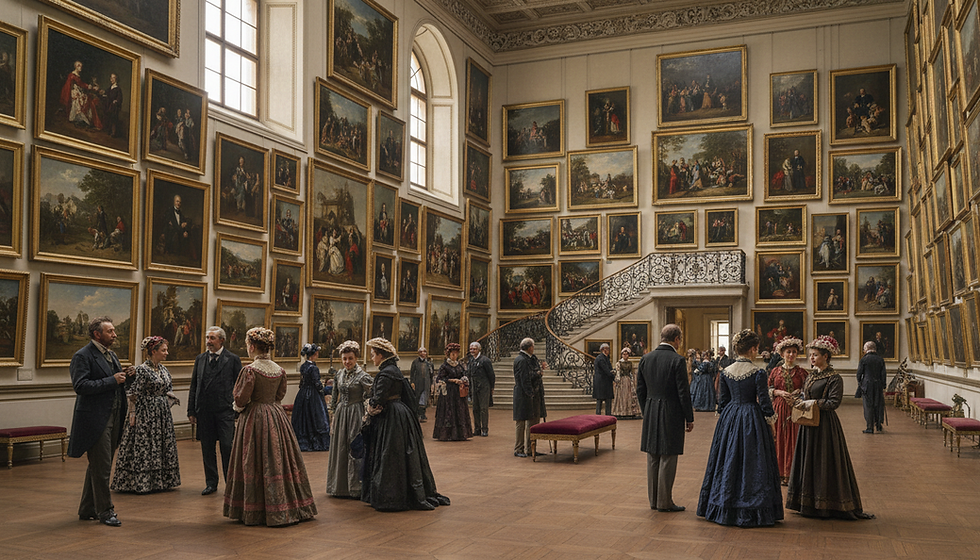
Museums sometimes exhibit these rough studies alongside finished works, offering insight into the artist’s creative evolution.
Historical Context and Exhibition Examples
Historically, rough sketches and studies were valued as essential parts of an artist’s practice. The Louvre and the Metropolitan Museum of Art both hold collections of preparatory works that reveal the creative process behind famous paintings.
Exhibitions like “The Sketchbooks of Leonardo da Vinci” highlight how rough drawings are not just preliminary but integral to understanding the artist’s genius.
Incorporating Both Styles in Artistic Practice
Artists can benefit from embracing both rough and finished styles:
Use rough sketches to explore ideas freely without fear of mistakes.
Develop larger, detailed works to communicate refined concepts.
Display both to provide viewers with a richer experience.
This approach encourages flexibility and depth in artistic expression.
Knowing When to Stop Adding to a Rough Piece
Determining when a rough piece is complete requires sensitivity:
The piece should convey its intended emotion or idea clearly.
Additional detail should not dilute the raw energy or spontaneity.
Artists can seek feedback or step away temporarily to gain perspective.
When a rough work feels balanced and authentic, it is ready for display alongside larger works.
Assessing Quality for Display
Quality in rough artworks is not about polish but impact. Consider:
Does the piece communicate effectively?
Is the composition engaging despite its simplicity?
Does it add value to the artist’s overall narrative?
If the answer is yes, the piece deserves a place in exhibitions and collections.
Artworks, whether rough or finished, each hold unique value. Rough paintings capture the immediacy of creation, while larger, detailed canvases offer depth and refinement. Together, they tell a richer story of artistic exploration and expression. Recognizing the equality of these forms allows artists and viewers to appreciate the full spectrum of creativity.
Explore your own creative process by valuing every stage, from rough sketches to polished masterpieces. Both contribute meaningfully to the art world and to the stories artists share.


Comments